The Reason Why Adding A Electrician Watford To Your Life Will Make All The A Difference


How to Find an Electrician in Watford
Electricians are professionals with the qualifications, certifications, and regulations necessary for any electrical job. Electricians can assist you with everything from installing lights to rewiring the entire house. Find the perfect electrician for your needs by looking through the profiles and portfolios on Houzz.
It's important to engage local electricians before any major renovation. They can help you plan your wiring with your architect and contractor.
Short circuit
A short circuit is a problem in an electrical circuit that permits electricity to travel on an unintended route. Electricity can also bypass the circuit breaker or fuse and cause damage to electrical appliances. This could cause electrocution, a fire hazard, or even death. It is important to know what causes short circuits and what you can do to prevent it from occurring.
A wire or other conductor that is exposed to the elements can become damaged and result in a short circuit. This occurs when metal contacts another part with low resistance to electrical current. This creates a cut-off path for current flow and causes the wire to overheat.
A lot of the most devastating electrical catastrophes of the past were caused by a simple short circuit. They can be catastrophic that result in deaths, injuries, and property damage. There are fortunately, a variety of methods to prevent short circuits from happening, including regular maintenance and using proper safety equipment.
The most common cause of short circuits is due to the use of old or defective wiring. This can lead to the accumulation of carbon and oil in large motors. This can eventually result in a fire, destroying the entire building. It is important to have any short-circuit problems repaired quickly to avoid fires.
Whenever you suspect a short circuit, be sure you shut off all appliances and lights and to examine the breakers. Then, turn them back on one at a time and check whether they function. If the breaker is still on you've found the source of the short circuit.
Other reasons that can cause a short circuit include pets chewing on wires, and nails piercing through walls and coming into contact with live electrical lines. To reduce the risk of short circuits it is essential to ensure that your home is free of any pests.
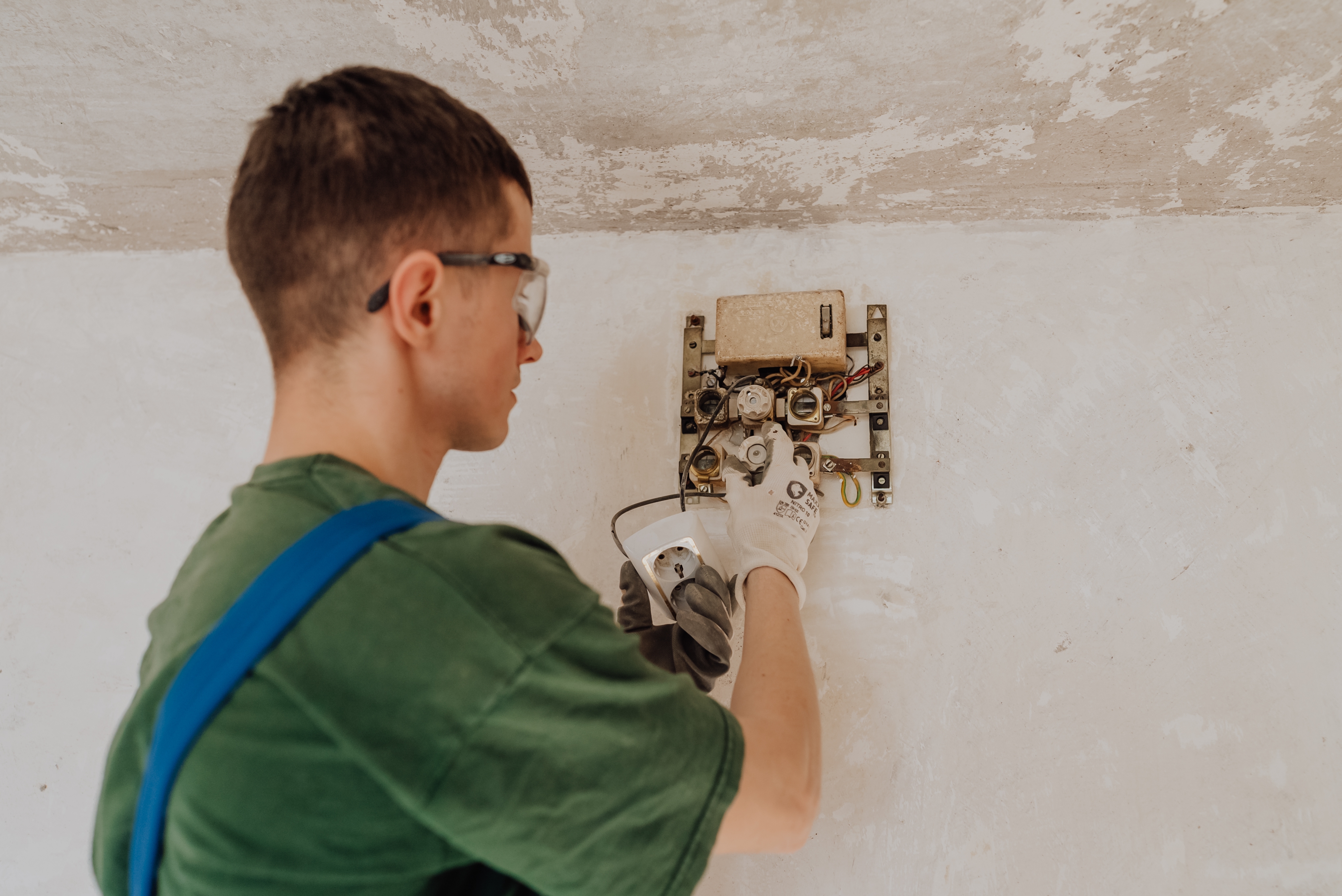
Call an electrician if you smell burning or notice sparks. Call an electrician if there are any sounds that sound like popping or the sensation of hot wires in your body. These are all indicators of a potentially dangerous short circuit.
Ground Fault
Ground faults and short circuits can result in an electric current surge that could heat the wires or melt the plastic covers causing fires. These electrical problems can also pose a serious danger for those living in the vicinity. If they're not treated, these electrical issues can cause injury or even death. To prevent them being a problem, it is recommended that an expert inspect your electrical system and verify that it's properly connected to the power source.
Although it's hard to pinpoint the root of the issue simply by looking at your fuse box or electrical panel, you can employ an electrician in Watford to inspect and repair the problem. They can also help you avoid further issues by performing routine maintenance and identifying issues before they become hazardous.
A ground fault occurs when the electrical current is diverted from its intended direction and reaches the ground. Contrary to short circuits, which are usually a result of broken appliances, faults in the ground are often the result of improper wiring or damaged insulation. This condition is especially hazardous in damp areas, since water is a great conductor of electricity.
It is crucial to fix a ground fault as soon as you can. It could be extremely dangerous for your family, so it is recommended to call an electrician who is licensed when you first notice the problem.
Many homeowners don't know what's causing their breakers trip, and it can be even more difficult to determine whether it's an over-voltage or an issue with the ground. Both conditions can be dangerous, and they can damage your appliances. However, they're quite different. There are many experts who disagree on what constitutes a short-circuit or a ground fault.
Short circuits can occur when two wires are connected to each other in a circuit, causing a high level of current. This can damage them. This is a typical electrical problem that can happen when the insulation on the wire is worn down or when the hot wire is in contact with a neutral wire. Luckily, the majority of modern circuits are equipped with safety features to prevent this from happening. They are equipped with a circuit breaker or a special fuse that trips in order to safeguard the system from overheating.
Circuit breaker tripping
Circuit breaker tripping is one of the most common signs of electrical problems. It means that there is too much electricity being utilized in a single circuit, and it can't handle the voltage, which is risky. If the issue isn't addressed immediately it could cause fires or other serious issues. Get in touch with an electrician who is licensed as quickly as you can.
Overload is the most frequent reason for a circuit breaker to trip. This is when there is a lot of current drawn by devices, lighting or appliances in a single circuit. This can cause the devices to overheat, and the breaker will shut off the current flow to protect the wires. Overloading is typically caused by too many devices being plugged in simultaneously particularly in homes that are older.
A defective outlet or switch could also trigger an overload. In this instance it is essential to replace the outlets and switches with new ones that are rated for higher voltage. You can also check your wiring to make sure that all connections are secure and that there isn't any exposed copper.
Another reason the circuit breaker could trip is due to an unbalanced circuit. This can be caused by an unreliable connection or defective wiring. It can also happen when a hot cable touches the ground or neutral wire. This could cause an electric short, which is risky and could lead to a fire.
You can check for the existence of a short circuit by resetting the breaker and then plugging in devices one at a. If the breaker goes off immediately, you've got an electrical circuit. You could also try looking for a ground fault surge by resetting the breaker and then turning on and off appliances in a certain room.
If you notice a burning smell or brown or black discoloration in the breaker box, contact an electrician who is licensed as quickly as you can. These are all indications that a fire or a serious issue could be brewing. A professional will be able find the source of the problem and correct it before it gets out of hand.
Electric shock
If you're shocked by electricity, it's important to seek medical attention right away. Even if it appears like a minor shock, it's best to consult a doctor because it could cause internal damage that's not immediately apparent. In addition to looking for burns, the doctor will run tests to determine if there's any heart damage.
Electric shock is caused when any part of the body comes into contact with an electrical current that is live. The intensity of the shock is determined by the voltage and the duration of contact. If the shock is severe enough, it can cause electrical burns and even death. Children are particularly susceptible to injuries from electric shocks, as they often bite into electrical cords or stick metal objects like forks and knives into outlets that aren't protected or appliances. electrical testing watford can happen when someone is standing near fallen power lines. They can still conduct electricity, even if not moving.
Certain people experience long-term consequences of electric shocks, for example cataracts of the eye and a form angina that causes pain in the breastbone. However, these effects tend to be temporary and can be treated with a prescription medication. In rare cases shocks can affect the nervous system and trigger seizures or depression.
If you are shocked by electricity, the primary sign is a jolt that hurts followed by a loss of consciousness. In extreme instances, shocks can lead to cardiac arrest or respiratory failure. The shock may also cause damage to the muscles, nerves, and the heart, causing permanent damage to.
The first thing to do following an electric shock is to test for signs of danger. Make sure the current has been switched off and that there is no immediate danger to the victim. If you are a child, don't contact them with your hands. Instead, use rubber or nonconductive items to move the victim. If the child is unconscious, do CPR while someone calls 911 or the emergency number of your local area.
Avoid shocks by using appliances with safety switches and ensuring that the cords are kept out of your reach. Avoid working on electrical equipment unless you are a licensed electrician and keep it away from water. If you discover any faulty or frayed cables eliminate them as soon as you can. Wear rubber gloves every time you handle electrical wires. Also, cover outlets with plastic covers in damp areas. If you are at work be aware of fallen power lines and maintain a distance of more than 8-10 meters.